
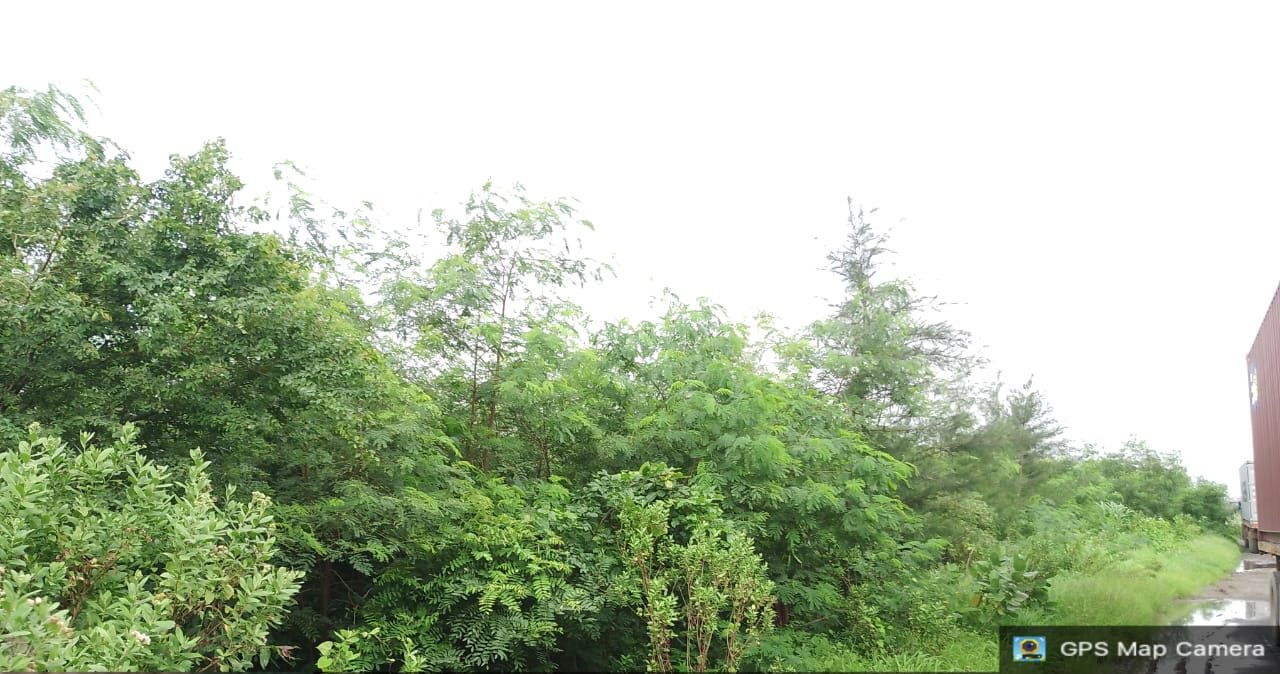
On a hot afternoon, stand on a concrete road and then step under a big tree. The difference is not only in your head. The air under the tree really is cooler, and the ground is too.
Now think about a whole city. Roads, roofs and walls soak up the sun all day and give the heat back at night. Cities end up warmer than the countryside around them. This is called the urban heat island effect. Trees are one of the best ways to push back.
Why cities get so hot
Concrete, asphalt and glass absorb and hold heat. There is little shade, little bare soil and few plants to cool the air. Add vehicles, air conditioners and machines, and the heat builds up. In summer, that can make daily life harder, especially for children, older people and outdoor workers.
How trees cool the air
Trees help in three simple ways:
- Shade. A canopy blocks the sun, so the ground and walls underneath stay cooler.
- Water release. Leaves give off water vapour, which cools the air around them, like a natural cooler.
- Soft ground. Forest soil is covered in leaves and mulch, so it does not heat up like bare concrete.
A dense forest, with several layers of leaves, does all of this more strongly than a single row of trees.
Why a small dense forest works well in a city
Cities rarely have large open spaces. But a small plot, even the size of a few parking spaces, can hold a Miyawaki or Bharat Vann forest. Because the trees are planted close together and in layers, the plot fills with green quickly and gives a lot of leaf area in a small space.
Corner plots, school grounds, the edge of a factory, the land beside a railway line and unused patches in housing societies can all become cool green spots.
Beyond temperature
Cooler air is only one gain. A dense forest in the middle of a city also:
- Catches dust on its leaves
- Softens the sound of traffic
- Gives birds, butterflies and other small animals a place to live
- Gives people a calm place to walk, sit or learn
- Makes the neighbourhood nicer to look at
It works best when the soil is right
Many city plots have poor soil because of builders' waste and compaction. A forest planted without fixing the soil will struggle. That is why Bharat Vann puts so much care into soil preparation, using natural materials like compost, cow dung and jeevamrut to bring the ground back to life before planting.
Who can create an urban forest?
- Housing societies, on a spare corner or along a boundary
- Schools and colleges, as a living classroom
- Companies, on factory or office grounds
- Municipal bodies and forest departments, on public land
- Industrial estates and ports, on unused land
Look after it in the early years
A young urban forest needs watering, mulching and some weeding for the first few years. After that, the dense layers shade out weeds and the forest becomes much more self-sufficient. A good project plans for this care from the start.
Frequently asked questions
Can a small forest really make a difference in a city?
A small forest cannot cool a whole city by itself, but it makes its own surroundings cooler and greener, and many small forests together make a bigger difference.
How much space do you need?
Even a small plot can be planted. The right size depends on your goals and your site. Talk to us about your land.
How long before it feels cooler?
Young trees give some shade quickly, and the effect grows as the forest fills in over the first few years.
Have a spare patch of land in your city? Ask Forest Creators how it could become a cool, green forest.
Talk to Forest Creators