
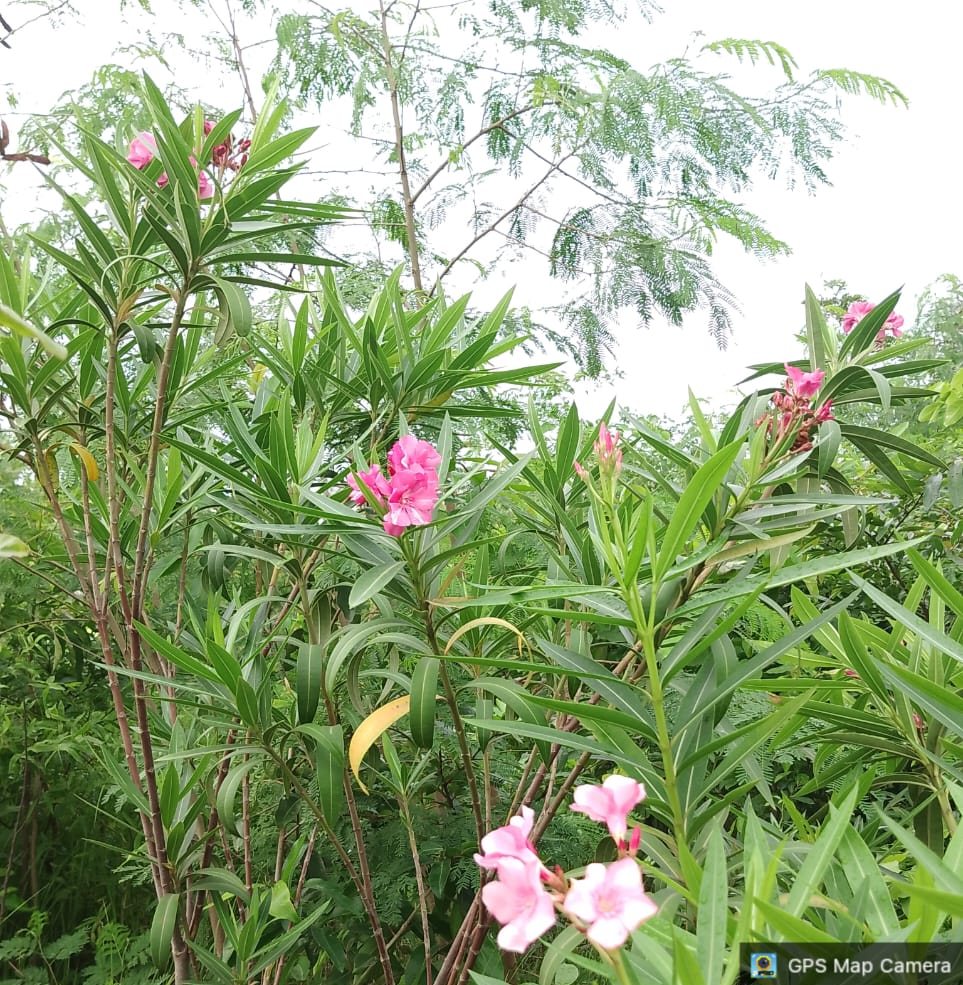
Empty land is not really empty. It is just quiet. When a forest begins to grow, the quiet changes. First come the insects. Then come the birds that eat the insects. Then, slowly, the place begins to feel alive again.
This is called biodiversity, the variety of living things in one place. It is one of the best signs that a forest is working.
Why variety matters
A single kind of tree supports only a few kinds of creatures. A forest with many species supports many more. Some trees give fruit, some give flowers, some give shelter, and some give leaves that insects feed on. Together they make a web of food and homes.
That is the idea behind the Miyawaki method: plant many native species together, in layers, and let nature do the rest.
The layers of a forest
- Canopy: tall trees that catch the sun and give shade
- Sub-canopy: medium trees that live under the canopy
- Shrubs: low, bushy plants that give flowers and berries
- Ground layer: small plants, leaf litter and mulch
Each layer is a different home. Birds nest high up; butterflies visit flowering shrubs; beetles and worms live in the leaf litter. A dense forest packs all these layers into a small space.
Who arrives, and when
- Soil life first. Natural soil enrichment wakes up microbes, fungi and earthworms.
- Insects next. Flowers and young leaves bring bees, butterflies, ants and beetles.
- Birds and small animals follow. Where there is food and cover, they move in.
At our JNPT forest in Nhava Sheva, we have photographed hibiscus, oleander, frangipani and Pride of Barbados flowering inside the plantation. Flowers on what was bare, salty land not long ago are a good sign that life is returning.
Why native species
Local insects and birds have evolved with local trees for a very long time. Native species give them the right food at the right time. A forest dominated by native species is more likely to support wildlife, and to stay healthy as the years pass.
Soil and water matter too
A forest is not only what we see above the ground. Living soil, with its microbes and worms, is the foundation. This is why Bharat Vann puts so much work into preparing the soil with cow dung, compost and jeevamrut, and why we mulch the ground.
A living classroom
A young forest is also a place for students, researchers and nature lovers. Our JNPT forest has become a living laboratory where people can watch an ecosystem return. Children who see a butterfly landing on a flower they helped to plant never forget it.
How to help biodiversity at your place
- Plant native species, not just ornamental ones.
- Keep different layers: trees, shrubs and ground cover.
- Leave some fallen leaves and dead wood in place.
- Avoid chemical sprays.
- Add a water source in summer.
- Give the forest time.
Frequently asked questions
How soon does wildlife return to a new forest?
Insects often come first, as soon as plants flower and leaves appear. Birds and other animals follow as the forest grows and offers food and cover.
Why plant so many different species?
Different species give different foods and homes, which supports more kinds of wildlife and makes the forest stronger.
Can a small forest help biodiversity?
Yes. Even a small native forest can become a haven for insects and birds, especially in a city.
Want to bring life back to a patch of land? Talk to Forest Creators about a native forest.
Talk to Forest Creators